
Cultural perspectives on gambling understanding diverse beliefs and practices
Historical Context of Gambling
Gambling has been a part of human culture for centuries, with its origins tracing back to ancient civilizations. The earliest known evidence of gambling dates to around 3000 BC in China, where tiles were discovered that suggest a rudimentary form of a lottery game. Similarly, ancient Rome and Greece incorporated gambling into their social structures, often associated with entertainment and competition during festivals. Such historical contexts highlight how gambling has long been intertwined with social interactions and cultural practices. Additionally, those interested can find an easy method to join the fun through Fatpirate Casino Registration.
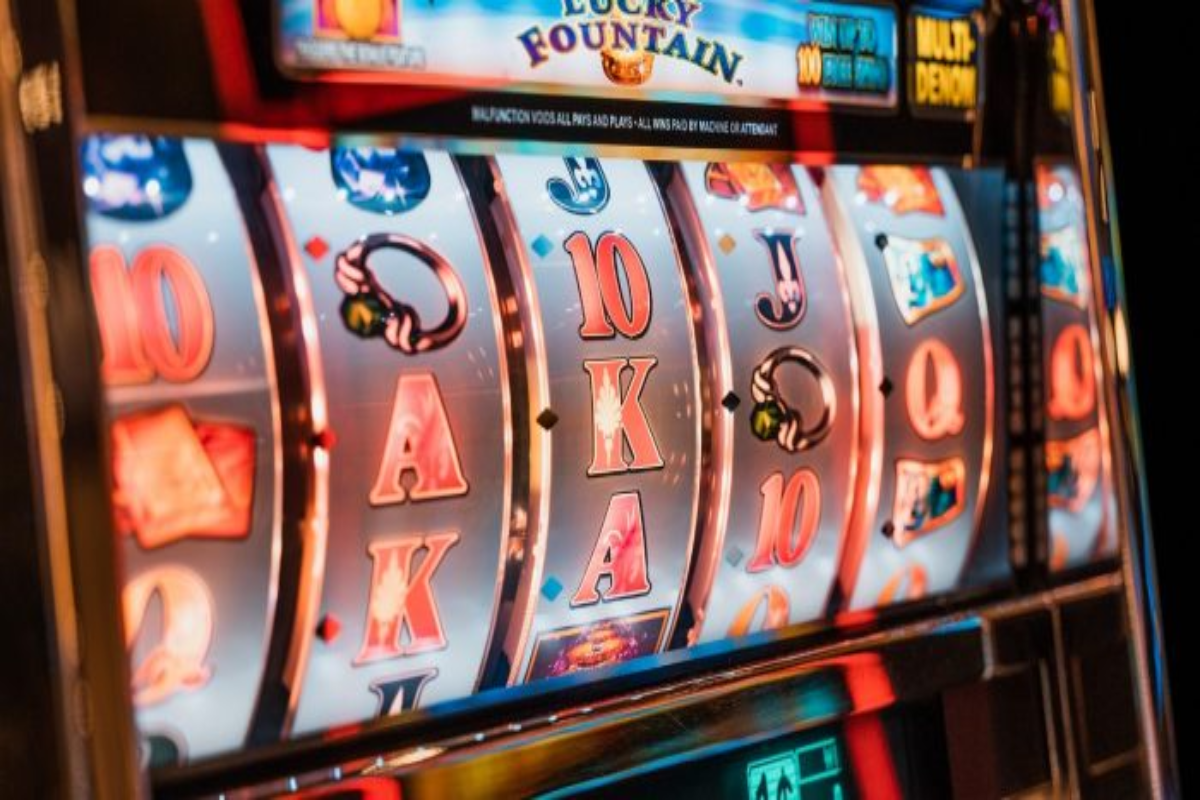
As societies evolved, so did gambling’s role and significance within them. In many cultures, it became a means of social bonding, where individuals gathered to participate in games of chance, often during significant communal events. For instance, Native American tribes have long incorporated gambling into their traditions, viewing it as a way to promote unity and shared experiences among community members. This cultural perspective on gambling demonstrates how it can transcend mere monetary gain, offering a deeper social function.
However, as gambling spread across cultures, it also faced scrutiny and regulation. Religious beliefs, particularly in Christianity and Islam, often condemned gambling as immoral, leading to a complex relationship between faith and play. These cultural tensions have shaped legislation and social attitudes towards gambling, creating a diverse landscape of beliefs and practices that continue to evolve today.
Modern Perspectives on Gambling
In the contemporary world, gambling is often viewed through a lens of entertainment and leisure, especially in Western societies. Casinos, both physical and online, have transformed into multi-billion-dollar industries, appealing to a wide demographic. The rise of celebrity gamblers, who often partake in high-stakes games, has added a layer of glamour and allure to gambling, further attracting new audiences. This phenomenon illustrates how modern gambling is often marketed as a thrilling experience rather than solely a means to win money.
Moreover, modern technology has revolutionized gambling practices, enabling access to games from anywhere with an internet connection. Online platforms offer a variety of games, catering to diverse tastes and preferences, from traditional card games to innovative slot machines. This accessibility has democratized gambling, allowing individuals from different cultural backgrounds to engage with it in ways that were previously unimaginable, thus broadening the understanding of what gambling means in today’s society.
Despite its entertainment value, modern gambling has also raised concerns about addiction and responsible gaming. Many countries have implemented measures to promote responsible gambling practices, emphasizing the importance of self-regulation and awareness. This aspect of modern gambling reflects a growing recognition of its psychological impacts, indicating that cultural perspectives are gradually shifting towards a more nuanced understanding of gambling as a complex social issue.
Cultural Variations in Gambling Practices
Cultural beliefs significantly influence gambling practices worldwide, leading to a fascinating array of customs and traditions. In Japan, for instance, pachinko parlors blend elements of gaming with entertainment, creating a unique cultural experience. Pachinko has become a national pastime, reflecting the Japanese aesthetic of precision and artistry while still involving chance. This highlights how cultural values shape not only the acceptance of gambling but also the forms it takes within different societies.
In contrast, many Middle Eastern countries adhere to strict prohibitions against gambling based on Islamic teachings. The belief that gambling is haram, or forbidden, leads to a general absence of legal gambling establishments in these regions. However, this does not eliminate the practice entirely; underground gambling operations exist, illustrating the complexities of cultural beliefs and human behavior. Such contradictions reveal the ongoing tension between traditional values and contemporary practices.
Additionally, Indigenous communities often have unique approaches to gambling that reflect their histories and identities. Many Native American tribes operate casinos on reservations, using the proceeds to support community initiatives and cultural preservation. This perspective showcases gambling as a means of empowerment, where the practice serves not only individual interests but also collective cultural and economic goals. These varied practices emphasize the importance of understanding gambling through the lens of cultural diversity.
Gambling and Social Identity
The interplay between gambling and social identity is another crucial aspect of understanding diverse beliefs and practices. In many cultures, participating in gambling can signify status, belonging, and community integration. For example, in some African societies, traditional games of chance are integral to social gatherings, serving as rites of passage or means of social negotiation. Such cultural practices reflect deeper social structures and hierarchies, where gambling becomes a tool for establishing and reinforcing social bonds.
Conversely, the stigma attached to gambling in certain societies can alienate individuals and communities. In cultures where gambling is viewed negatively, individuals may hide their participation due to fear of judgment or ostracism. This cultural perspective illustrates how gambling can be simultaneously a source of joy and a subject of shame, depending on the prevailing societal norms. Understanding these dynamics is vital for addressing issues of addiction and promoting inclusive discussions about gambling.
Furthermore, the representation of gambling in media and popular culture contributes significantly to its social identity. Films, television shows, and celebrity endorsements shape public perceptions, often glamorizing the lifestyle of high-stakes gamblers. These portrayals can influence cultural attitudes toward gambling, presenting it as a high-risk, high-reward endeavor that attracts individuals from various walks of life. Analyzing these cultural narratives helps illuminate the broader societal implications of gambling practices.
Exploring Fatpirate Casino
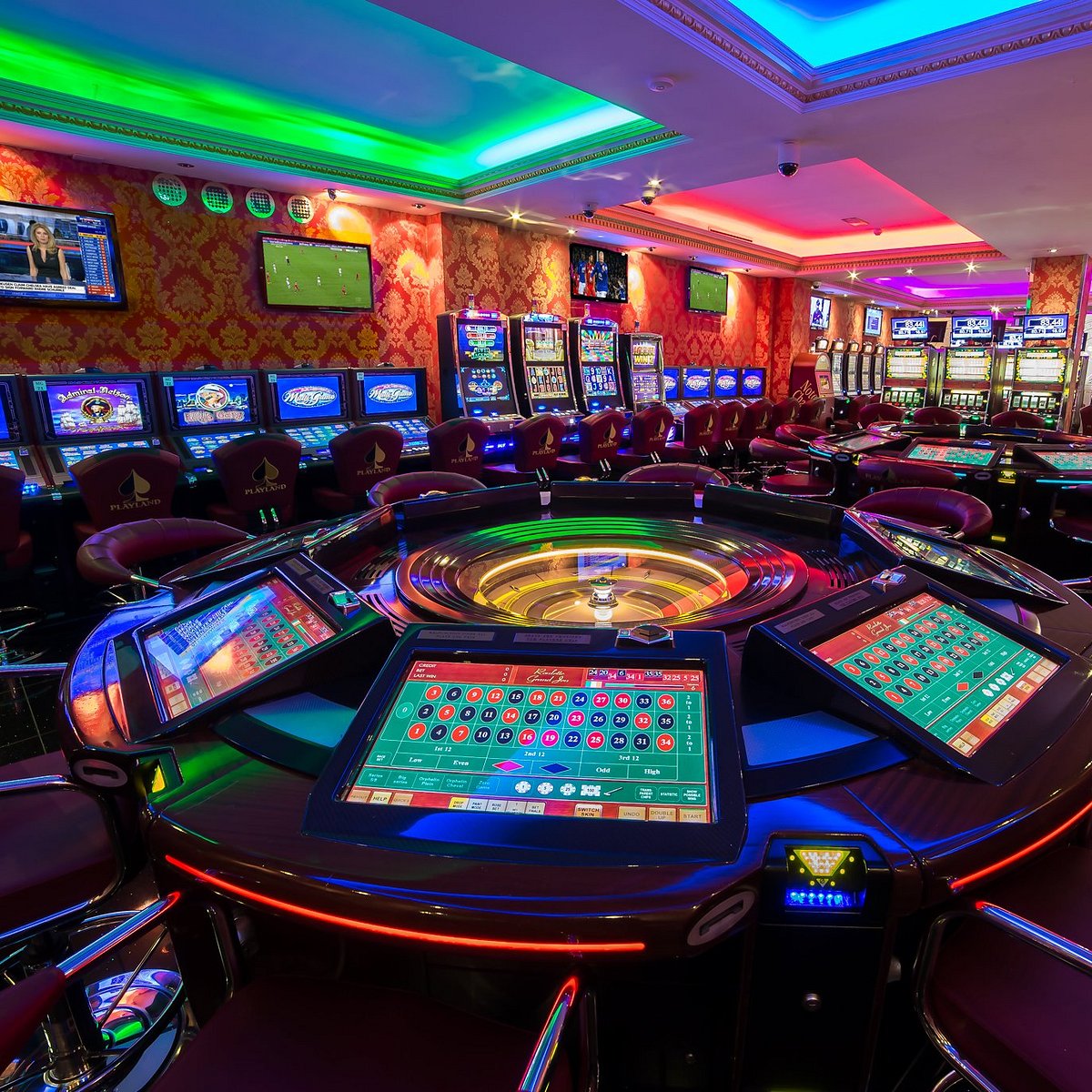
Fatpirate Casino is a contemporary example of how digital platforms can transform the gambling experience, aligning with modern cultural trends. Offering a wide range of games, from traditional slots to live betting options, Fatpirate appeals to diverse audiences seeking entertainment and thrills. Its user-friendly design and secure registration process make it accessible for all, allowing individuals from various cultural backgrounds to engage in online gaming.
The casino places a strong emphasis on responsible gaming, encouraging users to set limits and preferences to enhance their experience. This focus highlights an important cultural shift towards recognizing the potential risks associated with gambling while promoting healthy gaming habits. Through educational resources and responsible gaming initiatives, Fatpirate fosters a safe environment for players, demonstrating a commitment to cultural sensitivity in its operations.
As online gambling continues to evolve, platforms like Fatpirate Casino will play a crucial role in shaping contemporary gambling cultures. By catering to diverse beliefs and practices, they provide spaces for individuals to explore their interests while acknowledging the complexities of gambling within various social contexts. This commitment to inclusivity and responsibility reflects the ongoing changes in how gambling is perceived and practiced in today’s world.
Leave a Reply